da88st.com Latest Standings: Champions League League Phase Rankings Updated
The broadcast control room fills with quiet tension as the final seconds tick off the clock in a tightly contested European fixture. On multiple monitors, live graphics refresh in real time, recalculating points, goal difference, and tiebreakers before the stadium crowd fully disperses. Coaches already know that a single late strike can pivot a campaign from automatic progression to a high-stakes playoff bracket, while performance analysts cross-reference xG metrics against table projections to adjust recovery protocols. This moment captures the modern reality of continental competition: standings are no longer static summaries but dynamic indicators that shift with every touch, possession cycle, and referee decision. As the latest matchday concludes, the updated ranking landscape reveals both consolidation among traditional powerhouses and unexpected volatility in the middle tiers, setting the stage for a highly competitive run toward knockout qualification.
Immediate Table Adjustments Following Recent Fixture Outcomes
The most pressing development revolves around the sudden compression of points distribution across the upper echelon. Where historic formats often produced clear separation between guaranteed qualifiers and playoff contenders, the current league phase structure has created overlapping probability windows. A handful of clubs have strengthened their top-eight positions through disciplined defensive execution and efficient transitions, while others remain mathematically entangled after alternating victories and narrow defeats. Goal difference continues to serve as the primary secondary metric, meaning that clean sheets and low-variance scoring patterns hold tangible strategic weight beyond headline results.
Mid-table clustering has intensified considerably. Several squads hovering near the playoff threshold share identical point totals, forcing officials and analysts to evaluate head-to-head records, away-goal advantages, and disciplinary fair-play deductions as potential deciders. Conversely, teams battling to avoid the Europa Conference League drop zone have found motivation in survival mathematics rather than continental ambition, altering their approach to scheduling and player deployment. The updated rankings reflect these divergent objectives, with clear vertical stratification emerging only at the very top and bottom of the table. Middle-ground ambiguity remains the defining characteristic of this phase, requiring continuous recalibration as remaining fixtures intensify.
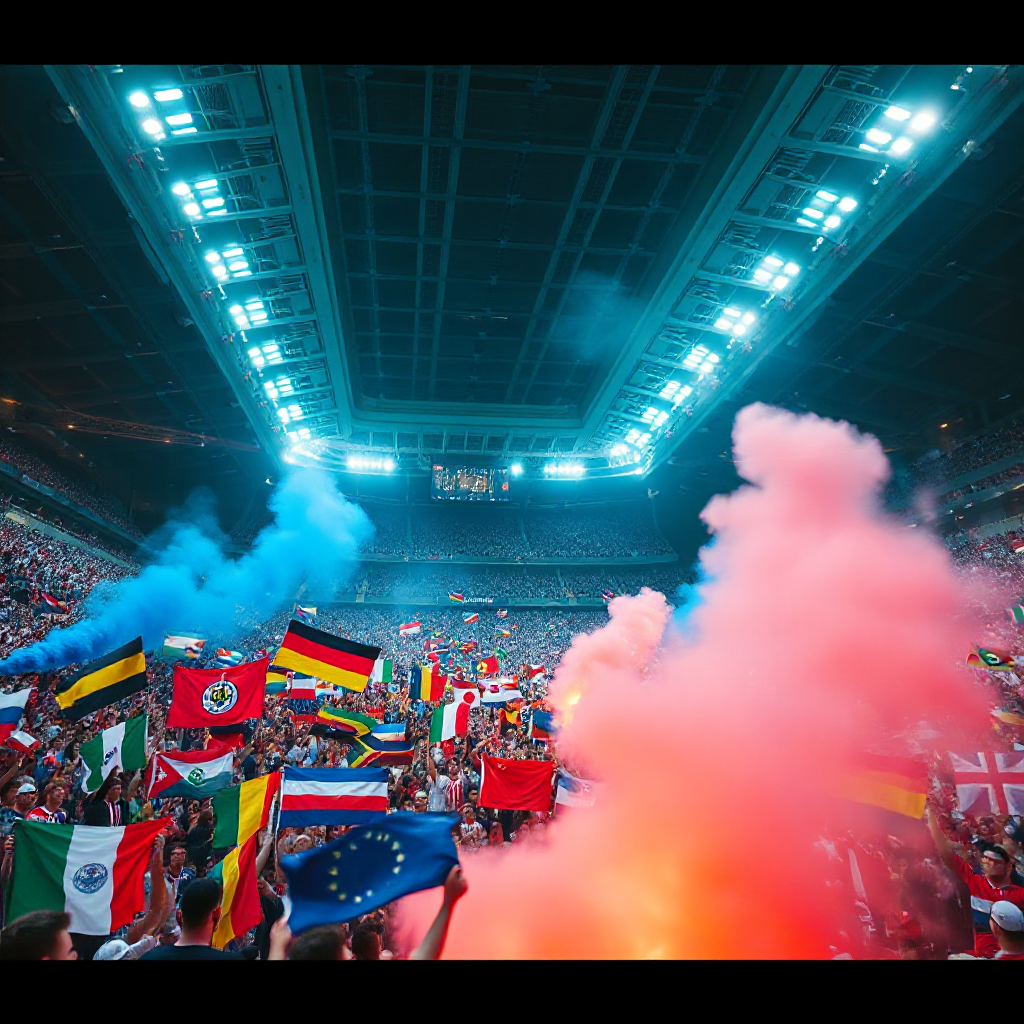
 Hình minh hoạ: da88
Structural Changes Driving Current Ranking Volatility
The transition from traditional group stages to an expanded league phase fundamentally altered how standings function. With thirty-six competing sides facing a personalized schedule of twelve matches, the volume of cumulative data increased substantially while reducing the predictability of early outcomes. Clubs now navigate a single continuous table rather than isolated mini-competitions, meaning that performance consistency over a broader sample size determines trajectory. This design amplifies the impact of individual matchdays because every result feeds directly into the same hierarchy, eliminating the comfort of regrouping after a separate group concludes.
Mathematical probability has also shifted dramatically. Automatic qualification targets require higher reliability under the new framework, since only the top eight secure direct advancement while positions nine through twenty-four trigger two-legged playoffs. The extended table increases exposure to variance, making mid-season slumps or injury disruptions more consequential for long-term positioning. Seeding considerations further complicate visual interpretation, as clubs entering the competition with higher coefficient ratings face tougher initial fixtures, temporarily suppressing their point accumulation before stabilizing. These structural realities explain why ranking updates generate frequent discussion: the format rewards sustained efficiency rather than isolated peak performances.
| Qualification Tier | Points Threshold Range | Strategic Priority | Risk Mitigation Focus |
|---|---|---|---|
| Direct Top Eight Advancement | Twenty-two to twenty-six | Maintain consistency and protect goal difference | Squad rotation to prevent cumulative fatigue |
| Playoff Positions (Nine to Twenty-Four) | Eighteen to twenty-one | Secure minimum winning margins and manage away fixtures | Avoid excessive disciplinary accumulation |
| Europa Conference League Drop Zone | Twelve to seventeen | Prioritize point accumulation over stylistic expansion | Protect core personnel for subsequent domestic campaigns |
Coaching Strategies Responding to Standings Pressure
Tactical adaptation has become inseparable from ranking management. Managers operating near the top-eight cutoff increasingly favor controlled possession frameworks combined with structured pressing triggers, aiming to neutralize opponent transitions while preserving defensive solidity. These approaches minimize high-risk moments that could erode goal difference, particularly when traveling to hostile environments. Meanwhile, clubs targeting playoff positioning often deploy hybrid systems that blend transitional speed with set-piece specialization, recognizing that compact matches frequently hinge on dead-ball execution rather than open-play dominance.
Squad utilization patterns have shifted accordingly. Performance departments now track minute distribution relative to table trajectory, ensuring that starting personnel receive adequate recovery windows during congested fixture periods. Medical staff coordinate load management protocols based on proximity to qualification thresholds, knowing that marginal fatigue can directly impact sprint capacity and aerial duel success in later phases. Youth integration decisions also reflect ranking pressure: clubs firmly positioned above the drop zone occasionally grant experienced academy prospects extended minutes, while those hovering near elimination prioritize veteran stability over developmental experimentation. These calculated choices demonstrate how standings function as operational blueprints rather than passive summaries.

Media Commentary and Stakeholder Responses
Public discourse surrounding the updated rankings consistently separates verified institutional communication from speculative interpretation. Official press briefings from participating clubs emphasize roster availability, fixture logistics, and tactical preparation, providing grounded context that aligns with documented match reports. Union representatives and coaching associations similarly focus on workload distribution, youth development pathways, and regulatory compliance, maintaining a professional boundary around subjective projection. When examining stakeholder statements, readers should note that managerial comments typically address immediate match preparation rather than long-term table forecasting.
Conversely, sports networks and independent analysts frequently generate narrative-driven commentary that extrapolates current form into extended scenarios. These perspectives highlight compelling storylines, comparative historical trends, and psychological momentum, yet they rarely carry binding significance until UEFA publishes formal match confirmations and disciplinary rulings. Betting markets operate within a similar spectrum, pricing outcomes based on algorithmic modeling rather than institutional certainty. Enthusiasts cross-referencing live calculations against official sources often utilize consolidated tracking interfaces to synchronize fixture timelines with ranking shifts, with established aggregators like da88 serving as reliable reference points for enthusiasts monitoring concurrent tournament developments. Distinguishing confirmed administrative updates from editorial analysis remains essential for accurate comprehension of how the league phase actually unfolds.

Forward Pathways and Verification Protocols
The remaining fixture blocks will determine whether projected trajectories materialize or collapse under accumulated variance. Clubs occupying narrow advantage margins must prioritize possession retention and territorial control during the final stretch, while teams reliant on decisive results will prepare contingency frameworks for alternative scenarios. Administrative bodies continue publishing standardized draw procedures, playoff bracket templates, and tiebreaker clarification documents, ensuring that mathematical uncertainty does not translate into procedural confusion. Verification remains critical: only official match declarations, disciplinary commission rulings, and published league tables carry definitive authority. Third-party calculators assist with visualization but cannot override regulatory specifications or resolve disputed officiating decisions.
Looking ahead, the convergence of league phase conclusions and knockout scheduling will introduce additional logistical complexity. Transport coordination, rest period allocation, and broadcast window alignment require precise synchronization once qualification brackets solidify. Clubs preparing for extended European runs are already evaluating travel optimization strategies and facility readiness, knowing that recovery efficiency directly influences second-leg performance. The updated rankings ultimately function as diagnostic instruments, highlighting where tactical reinforcement, roster adjustment, or financial investment may be necessary before the competition transitions into its decisive stage.
Action Checklist for Tracking Standings and Preparing for Knockout Decisions
- Verify all ranking updates exclusively through official UEFA publications and accredited match reporters before accepting third-party projections as finalized outcomes.
- Cross-reference point totals, goal difference, and head-to-head records using consistent calculation methodologies to avoid discrepancies caused by differing update frequencies.
- Monitor suspension accumulation and fitness clearance reports, as unavailable personnel directly impact a club's ability to maintain or improve table position during critical fixtures.
- Document scheduled kickoff windows and travel logistics to anticipate potential fixture congestion that could influence squad rotation decisions and tactical pacing.
- Separate editorial analysis from administrative announcements by checking press conference transcripts, club communications channels, and regulatory bulletins before forming strategic assumptions.
- Establish personal engagement boundaries when monitoring real-time updates, prioritizing sleep schedules and domestic commitments over compulsive refresh cycles that compromise daily functioning.
- Record tiebreaker scenarios and playoff bracket possibilities using standardized templates, enabling rapid comprehension when final matchday results trigger simultaneous table recalculation.